The Emotional Power of Visual Storytelling: How Artists Connect Through Images
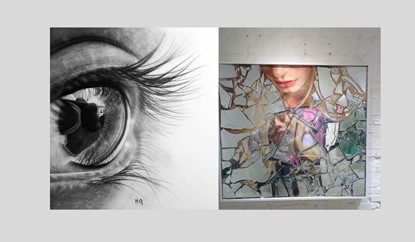
In a world filled with information, images often speak louder than words. A single painting, photograph, sculpture, or digital artwork can induce feelings of joy, nostalgia, hope, sadness, or wonder within instants. This ability to communicate feelings and narratives without spoken language is what makes visual storytelling one of the most powerful tools available to artists.
What Is Visual Storytelling?
Visual storytelling is the art of conveying ideas, emotions, and narratives through visual elements such as color, composition, symbolism, texture, and imagery. In simple words it is the language consisting of colors, textures and influential method to connect to viewers. Rather than relying solely on words or symbols, artists create experiences that invite viewers to interpret and connect with a story on a personal level.
Every artwork tells a story. Sometimes the plot is clear and direct, while at other times it is open to interpretation. Regardless of the approach, visual storytelling allows artists to communicate messages that go beyond cultural and linguistic barriers.
Creating Emotional Connections
One of the greatest strengths of visual storytelling is its ability to create emotional connections. Through carefully chosen visual fundamentals, artists can capture human experiences and emotions that resonate with audiences across different backgrounds and mind sets.
A portrait may expose the susceptibility through a subject’s expression. A landscape can evoke feelings of peace, solitude, or longing. Abstract art may communicate emotions through color, movement, and form rather than recognizable objects. Photography captures the heart-touching moments at that instant and is preserved. These emotional responses help viewers connect with the artwork and the artist’s perspective.
The Role of Color and Composition
Color: the Language of Emotion
Color has a profound impact on how viewers perceive and respond to an artwork. Artists use colors as a powerful storytelling tool. Different colors can evoke different emotions and associations. Artists also use color to establish mood, create contrast, highlight important elements, and symbolize ideas or themes. A bright and vibrant palette may convey optimism depicting through warm colors such as red, orange, and yellow often convey energy, passion, or optimism, while cooler or darker tones like blue and green can suggest calmness, reflection, tension or melancholy. Through color choices, artists shape the emotional atmosphere of their work and influence how audiences connect with the story being told.
Composition: Guiding the Viewer’s Eye
Composition guides the viewer’s eye and shapes how a story unfolds within the artwork. Composition refers to the arrangement of visual elements and determines how the viewer experiences the image and where their attention is directed to or from. Artists use techniques such as focal points, symmetry, asymmetry, leading lines, framing, and the rule of thirds to organize elements within a composition. A strong composition creates balance, movement, harmony; stability and visual interest, helping the artwork communicate its intended message effectively. Strategic arrangement of subjects, balance, contrast, and perspective can create tension, harmony, mystery, or drama, enhancing the emotional power of the piece.
Working Together
Color and composition work hand in hand to enhance visual storytelling. While colors set the emotional tone, composition structures the viewer’s journey through the artwork. Together, they help artists capture attention, communicate ideas, and create meaningful connections with their audience.
Ultimately, the effective use of color and composition enables artists to transform visual elements into compelling stories, making their work more engaging, expressive, and memorable.
What do Symbols Represent?
Symbols allow artists to communicate deeper messages beyond what is immediately evident. Objects, gestures, animals, and recurring motifs can represent ideas, memories, cultural traditions, or social issues.
By incorporating symbolism into their work, artists encourage viewers to involve more deeply with the narrative, discovering layers of meaning that enrich the storytelling experience.
Visual Storytelling in the Digital Age
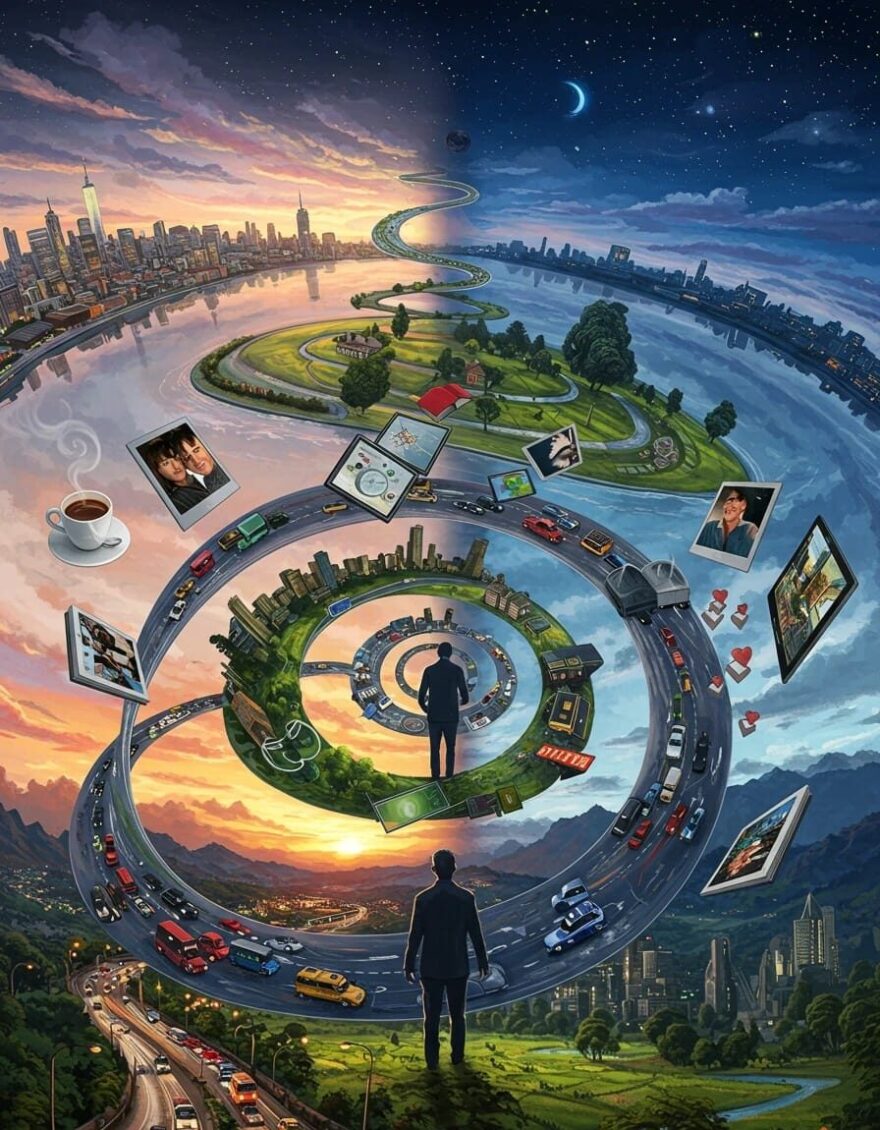
Technology has expanded the possibilities of visual storytelling. Today’s artists can combine traditional techniques with digital tools, animation, virtual reality, and interactive media to create immersive experiences. Fast paced trends impacts the ways of entertainment and in this era people tend to work and comprehend fast. So, in such settings visual storytelling is considered a very effective method to communicate.
Social media platforms have also transformed how stories are shared, enabling artists to reach global audiences and engage directly with viewers. Through digital art, short-form visual content, and multimedia projects, animations, artists can tell stories in innovative and accessible ways.
Art as a Reflection of Human Experience
Throughout history, artists have used visual storytelling to document cultural moments, challenge social norms, celebrate identities, and explore personal journeys. Whether addressing global issues or intimate sentiments, art serves as a mirror of the human experience.
Visual storytelling allows artists to transfer ideas that might be difficult to express through words alone. It creates space for empathy, understanding, and dialogue, helping people connect with experiences beyond their own.
Conclusion
The emotional power of visual storytelling lies in its ability to connect people through shared feelings and experiences. For artists, it is more than a creative technique—it is a language that transcends boundaries, cultures, and generations. By converting emotions into images and ideas into tales, artists continue to inspire, challenge, and move audiences around the world.
In an increasingly visual world, the ability to tell meaningful stories through art remain one of the most impactful and enduring forms of human expression.
Previous Post
Emerging Art Trends Around the World

Next Post