
Common Mistakes Artists Make When Submitting Their Work
“Talent may get your work noticed, but professionalism gets it selected.”

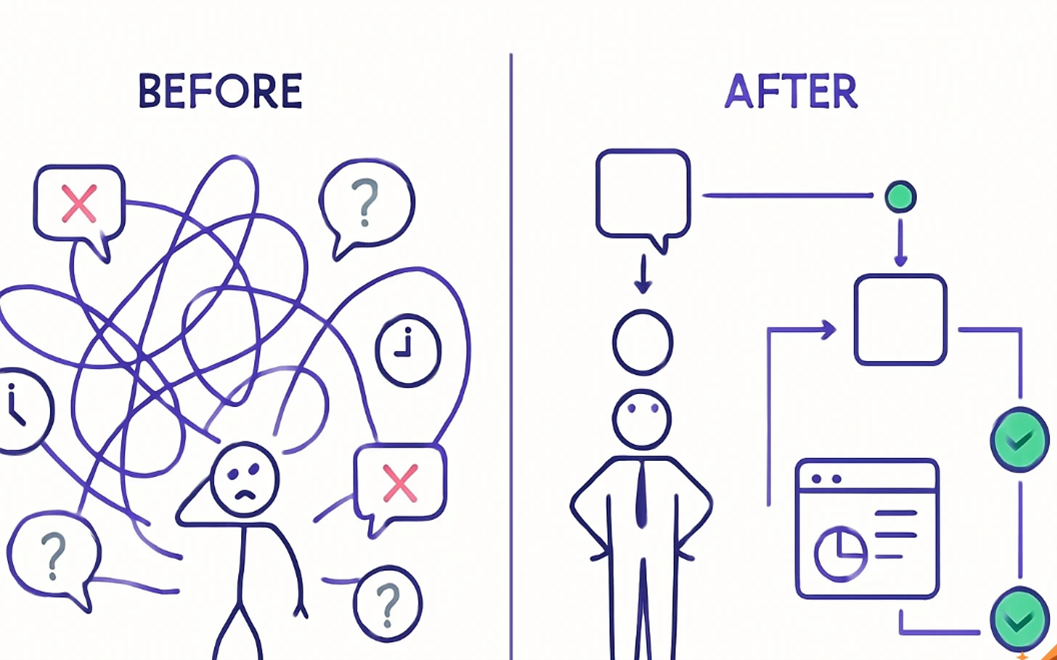
For many artists, submitting artwork to galleries, exhibitions, competitions, residencies, grants, and online platforms is an important step toward building a successful creative career. However, while artists often invest significant time and energy into creating their work, they may fail to follow the submission process.
As a result, a strong artistic portfolio can lose opportunities due to avoidable mistakes such as incomplete applications, poor-quality images, vague artist statements, or failure to follow guidelines. In today’s competitive art world, presentation and professionalism go hand in hand.
Artists must learn to understand the submission process to avoid mistakes. This practice can help artists improve their professional success in art community.
Importance of Submission Process
Curators, gallery directors, jurors, and selection committees often review countless submissions for a single opportunity. In many cases, they spend only a few minutes evaluating each application.
A well-prepared submission demonstrates professionalism, attention to detail, and respect for the selection process. It allows assessors to focus on the artwork rather than being distracted by avoidable errors.
Following are some errors artists tend to practice and ways to avoid are discussed:
1. Not Understanding the Submission Guidelines Carefully
One of the most common reasons submissions are rejected is simply failing to read and follow instructions. Every platform, exhibition, or competition has specific requirements regarding:
- File formats
- Image dimensions
- Submission deadlines
- Artist statement length
- Use of methods or techniques
- Portfolio size
- Eligibility criteria
- Application documents
Many artists assume that all submissions follow similar standards and overlook important details.
How to Avoid It
Before submitting:
- Read all guidelines thoroughly.
- Create a checklist of requirements.
- Double-check your application before sending.
- Submit before the deadline whenever possible.
Following instructions is imperative as it demonstrates professionalism and respect for the opportunity.
2. Submitting Poor-Quality Images
For many opportunities, artwork is evaluated through digital images before it is ever seen personally.
Blurry photographs, poor lighting, distracting backgrounds, inaccurate colors, or low-resolution images can significantly reduce the impact of otherwise strong artwork. It is important to note that reviewers are judging what they see at that instant not what the artwork looks like in your studio. Your artwork deserves to be reviewed in the best possible manner.
How to Avoid It
- Use high-resolution images.
- Photograph work in proper lighting.
- Ensure colors accurately represent the original artwork.
- Crop images neatly.
- Remove distracting backgrounds.
- Consider professional photography for important opportunities.
3. Submitting Same Art work for Every Opportunity
A common mistake among emerging artists is sending identical portfolios, artist statements, and project descriptions to every platform. Different opportunities have different requirements and criteria.
A contemporary gallery may seek conceptual work, while a community exhibition may prioritize social engagement. A residency may focus on process, while a competition may emphasize technical excellence.
How to Avoid It
Modify your submission according to the goals of each opportunity.
Ask yourself:
- Who is the audience?
- What type of work is being requested?
- How does my work meet their objectives?
Personalization demonstrates effort and increases relevance.
4. Writing a Weak Artist Statement
Many artists spend months perfecting their artwork but pay no attention to artist statement.
An unclear, overly vague, or excessively complicated statement can confuse reviewers and weaken an otherwise strong portfolio.
Common issues include:
- Excessive jargon
- Generic descriptions
- Overly academic language
- Lack of focus
- Lengthy statement
- Poor style and grammar
How to Avoid It
A strong artist statement should:
- Clearly explain your artistic practice keeping the audience in mind.
- Write to the point.
- Align with the requirements.
- Describe your themes and inspiration.
- Sound authentic and reasonable.
- Use accessible language.
- Provide context without over-explaining.
Your statement should support your artwork—not compete with it.
5. Including Too Much Work
Many artists believe that showing more work increases their chances of success. In reality, an overcrowded portfolio can dilute its impact.
Submitting every artwork, you’ve created may make it difficult for reviewers to identify your strengths and artistic direction. Understanding the situational demand of the opportunity exhibits artist’s professionalism.
How to Avoid It
Select your strongest and most relevant pieces.
A smaller, focused portfolio often creates a stronger impression. Quality always outweighs quantity.
6. Neglecting Presentation and Organization
A portfolio should feel professional and easy to study.
Disorganized files, inconsistent labeling, missing information, or confusing layouts can frustrate reviewers.
How to Avoid It
Maintain consistency in:
- File names
- Artwork titles
- Dimensions
- Dates
- Medium descriptions
Present information clearly and professionally. A well-organized submission reflects a well-organized artist.
7. Missing Deadlines
Deadlines are non-negotiable. Even exceptional artwork may be disqualified if submitted late.
Many artists underestimate the time required to prepare images, statements, CVs, and application materials.
How to Avoid It
- Start preparing early.
- Create a submission calendar.
- Try completing your task before the deadline.
- Set reminders.
Early submissions also reduce stress and allow time for revisions.
8. Underestimating Well-presented Artist Biography
Your biography introduces assessors to your background, achievements, and artistic journey.
Some artists submit outdated biographies or provide too much personal information highly irrelevant to their practice.
How to Avoid It
Keep your biography:
- Current
- Relevant
- Professional
- Concise
Focus on your artistic experience, exhibitions, education, and accomplishments.
9. Failing to Research the Platform
Not every opportunity is suitable for every artist. Considering every platform suitable may sometimes a mislead.
Submitting work without understanding the organization’s goals, mission, audience, or curatorial direction often leads to unsuccessful applications.
How to Avoid It
Before applying:
- Explore previous exhibitions.
- Review selected artists.
- Understand the organization’s values and demands.
- Focus on what is asked for.
- Evaluate whether your work is a good fit.
Strategic submissions often yield better results than submitting everywhere.
10. Letting Rejection Discourage You
Perhaps the most damaging mistake is viewing rejection as a reflection of artistic worth. The art community is highly competitive, and many factors influence selection decisions.
A rejection may result from:
- Limited space
- Curatorial focus
- Theme alignment
- Audience considerations
- Competition volume
Even highly successful artists experience rejection throughout their careers.
How to Avoid It
Treat each submission as a learning opportunity. Handle rejection professionally as an artist.
Ask yourself:
- Was the opportunity a good fit?
- Could the presentation be improved?
- How to approach positively?
- How can I improve?
- What can I strengthen for future submissions?
Persistence is often one of the most valuable qualities an artist can develop.
Submission Checklist for Artists
Before clicking “Submit,” ask yourself:
✓ Have I followed all guidelines?
✓ Are my images high quality?
✓ Is my artist statement clear and concise?
✓ Have I selected my strongest work?
✓ Are all documents updated?
✓ Have I tailored the application to the opportunity?
✓ Have I proofread everything?
✓ Am I submitting before the deadline?
A final review can prevent many common mistakes.
Conclusion
Submitting artwork is more than an administrative task—it is an extension of your professional practice. Every application represents an opportunity to present yourself and your work to a wider audience.
While artistic talent remains essential, successful submissions also require preparation, organization, and attention to detail. By avoiding common mistakes and approaching the process strategically, artists can improve their chances of securing exhibitions, grants, residencies, competitions, and other valuable opportunities.
Remember, every submission is an opportunity to learn, grow, and refine your professional presence. The goal is not simply to be selected but to present your work with the clarity, confidence, and professionalism it deserves.