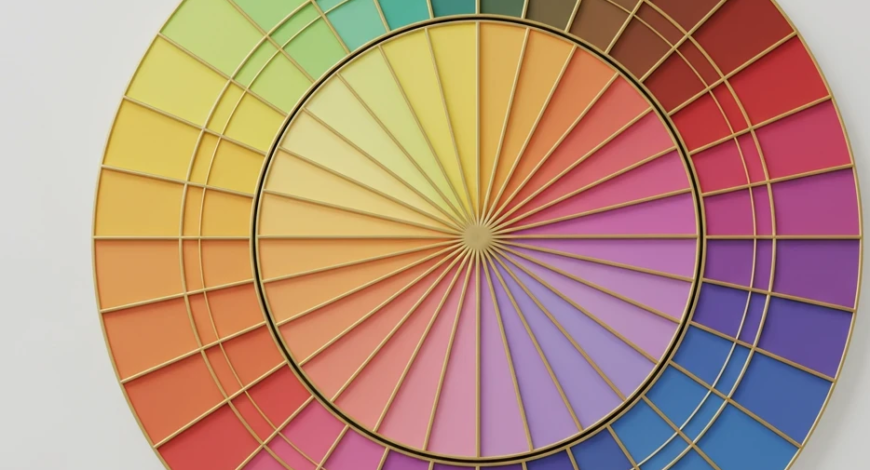
Seasonal Color Palettes and Their Artistic Influence
“Color is a power which directly influences the soul.” — Wassily Kandinsky
From the soft pastels of spring to the rich earth tones of autumn, the colors that surround us change with the seasons, shaping not only our environment but also our emotions, perceptions, and creative expression. Throughout history, artists have drawn inspiration from nature’s shifting palette, using seasonal colors to evoke atmosphere, convey meaning, and connect audiences to the rhythms of the natural world.
Color is one of the most powerful visual elements in art. It can communicate mood, create harmony, establish focus, and influence emotional responses. It instantly grasps viewer’s attention. Seasonal color palettes offer artists an endless source of inspiration, providing both aesthetic direction and symbolic significance.
Whether consciously or intuitively, many artists incorporate seasonal colors into their work to capture the essence of a particular time of year, tell stories, or express emotional experiences. Understanding these palettes can deepen artistic practice and enhance visual storytelling.
The Connection Between Seasons and Color
Nature undergoes constant transformation throughout the year. As light, weather, and landscapes change, so do the colors we encounter in our surroundings.
Artists often respond to these environmental shifts by adapting their color choices. Seasonal palettes can help create mood, establish context, and evoke memories associated with specific times of the year.
As artist Vincent van Gogh once observed:
“There is no blue without yellow and without orange.”
His appreciation for the relationship between colors reflects the dynamic harmony found in nature itself.
Seasonal colors not only influence artistic decisions but also affect how viewers emotionally connect with an artwork.
Spring: A Season of Renewal and Growth
Spring is often associated with rebirth, optimism, and new beginnings. As flowers bloom and landscapes awaken, nature introduces a palette of fresh and delicate colors.
Common Spring Colors
- Soft pinks
- Lavender
- Light greens
- Sky blue
- Pale yellow
- Peach tones
Artistic Influence
Spring palettes are frequently used to communicate:
- Hope
- Youthfulness
- Transformation
- Regeneration
- Renewal
- Growth
Artists often employ lighter values and softer contrasts during spring-themed works to create a sense of freshness, joy and vitality.
Impressionist painters, in particular, were known for capturing the changing light and vibrant colors of spring landscapes.
Summer: Vibrancy, Energy, and Abundance
Summer brings longer days, intense sunlight, and lush natural environments. The colors of this season tend to be bold, saturated, and energetic.
Common Summer Colors
- Bright blue
- Turquoise
- Sunflower yellow
- Coral
- Emerald green
- Warm white
Artistic Influence
Summer palettes often evoke:
- Joy
- Freedom
- Adventure
- Celebration
- Warmth
Artists use vivid colors and strong contrasts to communicate the vitality and excitement associated with summer.
Landscape painters frequently emphasize bright skies, flourishing vegetation, and dynamic outdoor scenes to capture the season’s energy.
Autumn: Warmth, Reflection, and Transition
Autumn is characterized by dramatic color changes as leaves transform from green to rich shades of red, orange, and gold.
This season offers one of nature’s most celebrated color palettes.
Common Autumn Colors
- Burnt orange
- Deep red
- Golden yellow
- Ochre
- Rust
- Warm brown
Artistic Influence
Autumn palettes often symbolize:
- Change
- Maturity
- Reflection
- Gratitude
- Nostalgia
Artists frequently use these earthy tones to create warmth and emotional depth.
The season’s colors can evoke memories, personal reflection, and a sense of transition, making autumn a favorite source of inspiration for many painters and photographers.
Winter: Calmness, Simplicity, Contrast, and Serenity
Winter presents a more restrained yet equally powerful palette. Snow-covered landscapes, shorter days, and muted natural environments create opportunities for subtle color relationships and dramatic contrasts.
Common Winter Colors
- White
- Silver
- Gray
- Deep blue
- Charcoal
- Evergreen
Artistic Influence
Winter palettes often convey:
- Stillness
- Solitude
- Reflection
- Mystery
- Peace
Artists frequently explore texture, light, and contrast when working with winter-inspired colors.
The simplicity of winter palettes can create powerful visual impact while encouraging viewers to focus on form, composition, and atmosphere.
The Psychology of Seasonal Colors
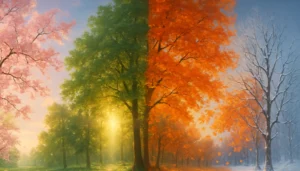
Color psychology plays a significant role in how seasonal palettes influence artistic expression.
Different colors trigger different emotional responses:
Warm Colors
- Red
- Orange
- Yellow
Often associated with:
- Energy
- Passion
- Optimism
- Excitement
Cool Colors
- Blue
- Green
- Purple
Often associated with:
- Calmness
- Reflection
- Stability
- Serenity
Seasonal palettes combine these sensitive qualities to create distinct visual experiences.
By understanding color psychology, artists can intentionally shape the mood and message of their work.
Seasonal Color Palettes in Contemporary Art
Modern artists continue to draw inspiration from seasonal colors while experimenting with new interpretations.
Rather than simply reproducing nature, contemporary creators often use seasonal palettes to:
- Explore personal memories
- Address environmental themes
- Examine cultural traditions
- Express emotional states
- Create abstract compositions
Digital artists, illustrators, photographers, and designers frequently use seasonal color trends to enhance visual storytelling and audience engagement.
Nature as an Endless Source of Inspiration
One of the greatest advantages of seasonal color palettes is their accessibility. Artists do not need to travel far to observe how light, atmosphere, and color evolve throughout the year.
Keeping a seasonal sketchbook, photographing changing landscapes, or creating color studies can help artists develop a deeper understanding of color relationships.
As painter Claude Monet famously said:
“Color is my day-long obsession, joy, and torment.”
His dedication to observing seasonal light and color continues to inspire artists around the world.
Tips for Artists Using Seasonal Palettes
Observe Nature Closely
- Pay attention to how colors change throughout the year.
Create Seasonal Color Studies
- Develop small sketches or swatches based on seasonal observations.
Experiment Beyond Realism
- Use seasonal palettes symbolically or emotionally rather than literally.
Explore Cultural Associations
- Different cultures may interpret seasonal colors in unique ways.
Build a Personal Palette Library
- Document colors that inspire you during each season for future projects.
The Role of Seasonal Colors in Visual Storytelling
Color is often the first element viewers notice in an artwork. Seasonal palettes provide immediate visual cues that establish mood, setting, and emotional context.
A spring palette may suggest hope and renewal, while autumn tones may evoke nostalgia and reflection. Through thoughtful color choices, artists can strengthen narratives and guide viewers through visual experiences.
Seasonal colors help transform ordinary scenes into meaningful stories that resonate across cultures and generations.
Final Thoughts
Seasonal color palettes remind us that art and nature are deeply interconnected. As the world changes throughout the year, artists have the opportunity to observe, interpret, and celebrate those transformations through color.
Whether inspired by the fresh optimism of spring, the vibrant energy of summer, the reflective warmth of autumn, or the quiet serenity of winter, seasonal palettes offer endless possibilities for creative exploration.
By studying nature’s rhythms and understanding the emotional language of color, artists can create work that is both visually compelling and emotionally meaningful.
As Henri Matisse beautifully expressed:
“With color one obtains an energy that seems to stem from witchcraft.”
The changing colors of the seasons continue to provide that magic, inspiring artists to see the world—and represent it—in ever new and meaningful ways.
Previous Post
Why Art Is Important for Children:
Next Post