Why Art Is Important for Children: How Creativity Helps Young Artists Grow?
“Every child is an artist. The problem is how to remain an artist once we grow up.” — Pablo Picasso
#youngartists #bigimaginations
Introduction
Art plays a vital role in a child’s development. Beyond drawing, painting, and crafting, creative activities help children express themselves, build confidence, improve problem-solving skills, and develop their imagination.
In today’s digital world, encouraging creativity is more important than ever. Whether a child enjoys sketching, painting, sculpture, or digital art, artistic activities provide opportunities for learning, self-expression, and personal growth.
This article explores why art is important for children, the benefits of creative activities, and how young artists can develop their skills while having fun.
Why Is Art Important for Children?
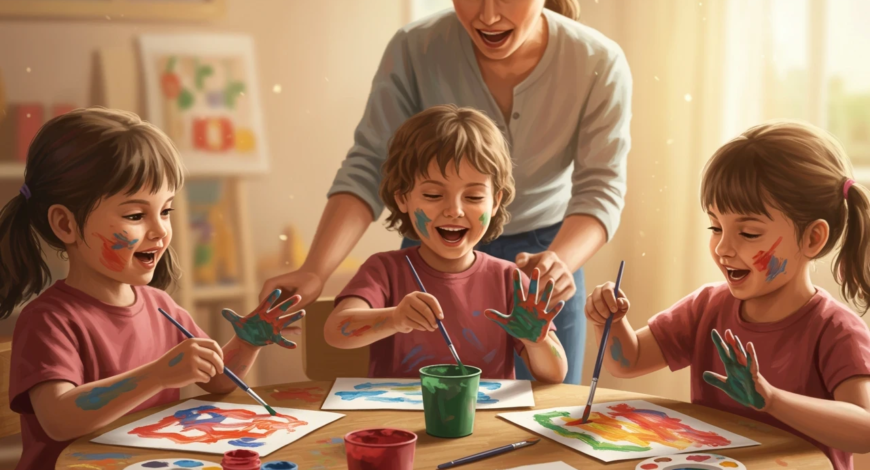
Art allows children to communicate ideas, thoughts, and emotions that may be difficult to express through words alone. Playing with colors is the best expression of self.
Creative activities help children:
- Explore their imagination
- Build self-confidence
- Improve concentration
- Develop fine motor skills
- Strengthen problem-solving abilities
- Express feelings in healthy ways
- Enhance communication skills
Art also encourages children to think independently and view challenges from different perspectives.
Benefits of Art for Child Development
1. Encourages Creativity and Imagination
Creativity is one of the most valuable skills children can develop.
When children create artwork, they learn to think beyond conventional solutions and explore new ideas. A blank sheet of paper becomes an opportunity to create new stories, characters, and entire worlds.
Creative thinking developed through art often supports learning in many other areas, including science, technology, writing, and problem-solving.
2. Builds Confidence and Self-Esteem
Every completed artwork gives children a sense of accomplishment. They feel encouraged.
Unlike subjects with right or wrong answers, art encourages personal expression. Children learn that their ideas matter and that there are many ways to approach a creative challenge.
Sharing artwork with family, teachers, and friends can further boost confidence and motivation.
3. Improves Fine Motor Skills
Drawing, painting, cutting, coloring, and sculpting all help strengthen hand-eye coordination and fine motor control.
These skills are important for everyday activities such as writing, using tools, and performing detailed tasks.
4. Supports Emotional Expression
Art provides a safe and creative outlet for sentiments.
Children can use colors, shapes, and images to communicate feelings such as happiness, excitement, curiosity, or even frustration.
Art helps young people understand and express emotions in a positive way. They can vent out without any restrictions.
5. Develops Problem-Solving Skills
Art encourages experimentation and decision-making.
Young artists constantly make choices about:
- Colors
- Composition
- Materials
- Techniques
- Design elements
These decisions help develop critical thinking and supports development of problem-solving abilities.
Inspiration for Young Artists
Many children wonder what to draw or create. The good news is that inspiration can be found everywhere.
Nature
Flowers, animals, trees, and changing seasons offer endless artistic ideas.
Books and Stories
Favorite characters and adventures can inspire drawings, paintings, and illustrations.
Family and Friends
Portraits and everyday moments make meaningful artistic subjects.
Imagination
Some of the best ideas come from dreams, fantasy worlds, and creative storytelling.
Encouraging children to keep a sketchbook can help them record ideas and develop their artistic skills over time.
Plan of Fun Art Activities for Kids
If you’re looking for creative activities for children to support art creations, try these ideas:
Seasonal Art Projects
Create artwork inspired by spring flowers, summer landscapes, autumn leaves, or winter scenes.
Love for Animal Creations
Invent a new animal by combining features from different creatures.
Storybook Illustrations
Draw scenes from favorite books or create original stories or comics.
Nature Collages
Use leaves, flowers, and recycled materials to create textured artwork.
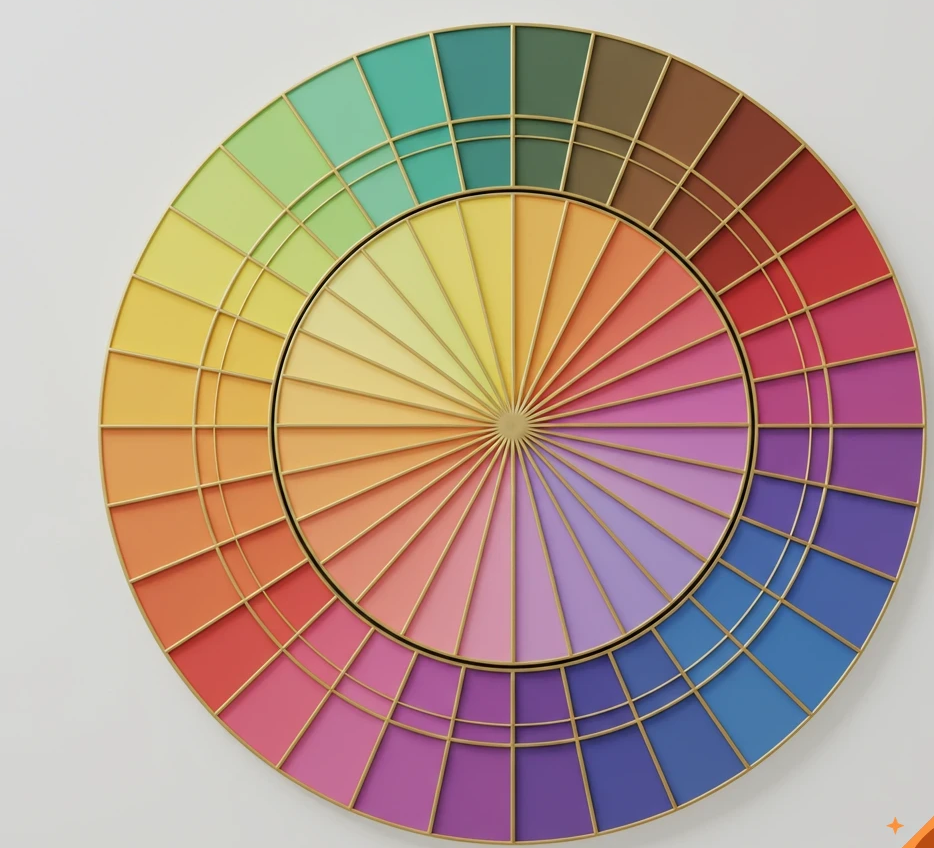
Color Challenges
Create an artwork using only one-color family or a limited color palette.
These activities help children invent creative master pieces while having fun.
Tips for Supporting Young Artists
Parents and educators can encourage artistic growth by:
- Providing a variety of art materials
- Praising effort rather than perfection
- Displaying children’s artwork
- Visiting museums and exhibitions
- Encouraging creative exploration
- Allowing freedom to experiment
The goal is not to create professional artists but to nurture creativity and build confidence.
How a Great Young Artist is Born?
A great young artist is not defined by perfect drawings or technical skill.
Instead, successful young artists often demonstrate:
- Curiosity
- Creativity
- Persistence
- Imagination
- Willingness to learn
Art is a journey of exploration, and every child develops at their own pace.
Conclusion
Art is much more than a fun activity for children. It supports creativity, emotional development, confidence, communication, and critical thinking. By encouraging artistic exploration, parents and educators help children develop skills that benefit them throughout their lives. A confident and emotionally balanced child comes into being.
Whether a child dreams of becoming a professional artist or simply enjoys creating for fun, art provides opportunities for growth, self-expression, and discovery.
Every masterpiece begins with imagination—and every child has the potential to create something extraordinary.