How to Interpret a Creative Theme?
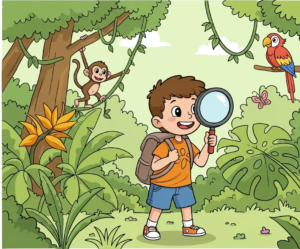
“The artist does not see things as they are, but as they are for them.” — Edvard Munch
Artists are often invited to create work around a specific theme—whether for exhibitions, competitions, commissions, residencies, or personal projects. Themes such as Identity, Transformation, Harmony, Resilience, Nature, or Belonging provide a conceptual framework that guides creative exploration.
Yet many artists find themselves asking an important question:
How should I interpret the theme?
The answer is simple: there is no single interpretation.
One of the greatest strengths of art is its openness to multiple perspectives. A creative theme is not a set of instructions but a process to explore ideas, emotions, experiences, and meanings through your unique artistic lens. The same theme can have a variety of interpretation depending upon the artist’s background, imagination, experiences and inspiration.
What Is a Creative Theme?
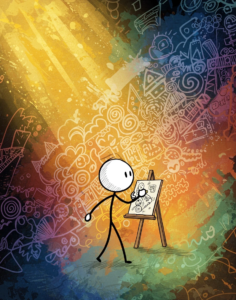
A creative theme is a central idea, concept, or subject that serves as the foundation for an artwork or body of work. Themes provide direction while still allowing freedom of expression.
Examples of common artistic themes include:
- Identity
- Memory
- Change
- Freedom
- Environment
- Community
- Hope
- Diversity
- Time
- Journey
A theme acts as a starting point rather than a limitation. It encourages artists to investigate, reflect, and communicate ideas in meaningful ways.
As artist Pablo Picasso famously remarked:
“The purpose of art is washing the dust of daily life off our souls.”
The Artist highlights that art is a virtual form of emotional and spiritual therapy. Themes provide artists with opportunities to transform everyday experiences into compelling visual narratives.
Interpretation Commences with Personal Reflection
The most powerful interpretations often emerge from personal connections.
When presented with a theme, take time to reflect:
- What does this theme mean to me?
- What memories or experiences does it evoke?
- How does it relate to my life, culture, or surroundings?
- What emotions arise when I think about this theme?
For example, the theme Home may inspire one artist to paint childhood memories, while another may explore migration, belonging, or displacement or may be some harsh memories of childhood are portrayed.
Authentic interpretations often resonate more deeply because they reflect genuine experiences and perspectives.
Research Beyond the Obvious
After personal reflection, broaden your understanding of the theme through research.
Consider exploring:
- Historical contexts
- Cultural perspectives
- Literary references
- Scientific ideas
- Current social issues
- Symbolic meanings
Research can reveal unexpected dimensions and inspire fresh approaches.
For instance, a theme such as Transformation might be interpreted through:
- Seasonal change
- Personal growth
- Social movements
- Technological innovation
- Environmental processes
Research enriches conceptual depth and expands creative possibilities.
Look for Symbolism and Metaphor
Artists often communicate ideas indirectly through symbols, metaphors, and visual language.
Ask yourself:
- Which objects, colors, or forms symbolize this theme?
- Can abstract elements communicate the idea?
- What visual metaphors might strengthen the concept?
For example:
- A broken bridge may symbolize separation.
- Emerging leaves may represent renewal growth.
- Colorful flowers and rainbows may refer to happiness.
- Flowing water may suggest change or continuity.
Symbolism allows artists to create layered meanings that invite viewers to engage actively with the work.
As artist Wassily Kandinsky observed:
“Color is a power which directly influences the soul.”
Visual elements themselves can become symbolic carriers of meaning.
Consider Emotional Interpretation
Art is not only about illustrating ideas—it is also about expressing emotions.
Rather than asking, what does the theme look like, consider:
How does the theme feel?
A theme such as Resilience might evoke:
- Strength
- Hope
- Vulnerability
- Perseverance
- Recovery
These emotions can influence:
- Color choices
- Composition
- Texture
- Scale
- Materials
Emotional interpretation often creates powerful connections between artwork and audience.
Move Beyond Literal Representation
One common challenge artists face is interpreting themes too literally.
A theme such as Journey does not necessarily require depicting roads or travelers.
Instead, artists might explore:
- Emotional journeys
- Spiritual growth
- Cultural transitions
- Personal transformation
- Passage of time
Creative interpretation frequently emerges when artists move beyond the obvious and embrace conceptual thinking.
As painter Georgia O’Keeffe stated:
“To create one’s world in any of the arts takes courage.”
Artistic interpretation often requires the courage to explore unconventional ideas.
Let Your Medium Shape the Interpretation
Different artistic media offer different expressive possibilities.
A photographer, sculptor, printmaker, painter, ceramic artist, or digital artist may approach the same theme in entirely different ways.
Consider how your chosen medium can strengthen your interpretation.
For example:
- Photography may capture fleeting moments.
- Sculpture may explore physical presence and space.
- Mixed media may communicate complexity and layered experiences.
- Digital art may address contemporary issues and virtual realities.
Allow your materials and techniques to become part of the conceptual process.
Brainstorm Through Visual Exploration
Creative interpretation rarely emerges fully formed.
Experimentation is essential.
Try:
- Mind mapping ideas
- Sketching thumbnails
- Creating mood boards
- Writing keywords
- Collecting reference images
- Exploring color studies
These exploratory activities often reveal unexpected connections and visual solutions.
Remember that not every idea must become a final artwork. Exploration is an integral part of artistic practice.
Embrace Multiple Interpretations
A successful artwork does not need to communicate a single fixed meaning.
Viewers bring their own experiences, memories, and cultural backgrounds to the interpretation of art.
Allow space for ambiguity and personal engagement.
As artist Marcel Duchamp famously suggested:
“The creative act is not performed by the artist alone.”
Meaning is often created through the interaction between artist, artwork, and audience.
Questions to Guide Your Creative Interpretation
Before beginning a new artwork, ask yourself:
- Why does this theme matter to me?
- What unique perspective can I offer?
- Which emotions do I want to convey?
- What symbols or metaphors might support my ideas?
- How can my medium enhance the message?
- What conversations do I hope the work will inspire?
These questions can help clarify artistic intentions and strengthen conceptual development.
Common Mistakes to Avoid
Interpreting the Theme Too Literally
Literal interpretations may limit creative possibilities.
Following Trends Rather Than Authentic Ideas
Originality often emerges from personal experiences and genuine interests.
Overcomplicating the Concept
Complex ideas can be communicated through simple visual forms.
Ignoring Research
Research provides context and depth.
Fearing Ambiguity
Not every aspect of an artwork needs to be explained. Viewers should have room to form their own interpretations.
Way Forward
Interpreting a creative theme is not about finding the “correct” answer. It is about discovering meaningful connections between the theme and your own artistic voice.
Every artist brings unique experiences, perspectives, and creative sensibilities to their work. These differences enrich the artistic landscape and demonstrate the limitless possibilities of interpretation.
The next time you encounter a theme, approach it with curiosity, reflection, and openness. Explore beyond the obvious, trust your instincts, and allow your creativity to guide the process.
As Henri Matisse beautifully expressed:
“Creativity takes courage.”
The courage to interpret, experiment, and express your unique perspective is what transforms a theme into art.
Previous Post