Traditional Art Forms That Continue to Inspire Modern Artists
“Study the past if you would define the future.” — Confucius
In an era dominated by digital innovation, artificial intelligence (AI), and new media, traditional art forms continue to shape and inspire contemporary artistic practices. While artistic tools and technologies have evolved significantly, many modern artists still draw creative inspiration from centuries-old techniques, cultural traditions, and handcrafted processes.
From ancient pottery and textile arts to calligraphy and folk traditions, traditional art remains a vital source of artistic expression. These enduring practices not only preserve heritage but also provide contemporary artists with fresh perspectives, techniques, and conceptual depth.
In this article, we explore traditional art forms that continue to inspire modern artists and examine how historical practices remain relevant in today’s ever-evolving art world.
Why Traditional Art Still Matters in Contemporary Art
Traditional art forms connect artists to history, culture, craftsmanship, and collective memory. They offer a rich foundation for experimentation while reminding us that creativity often transcends time.
Contemporary artists frequently revisit traditional practices to:
- Preserve cultural heritage
- Explore identity and background
- Revive forgotten techniques
- Reinterpret and relive historical narratives
- Create innovative cross-cultural dialogues
- Combine handmade processes with digital technologies art techniques,
As artist Paul Klee once observed:
“One eye sees, the other feels.”
Traditional art encourages artists to engage both observation and emotion, creating work that resonates across generations.
1. Calligraphy: The Art of Expressive Writing
For centuries, calligraphy has served as both a functional and artistic practice across cultures, including Chinese, Arabic, Japanese, Persian, and Western traditions.
Today, many contemporary artists incorporate calligraphic elements into:
- Abstract paintings
- Typography-based artworks
- Street art and murals
- Digital illustration
- Mixed-media installations
Modern artists often use calligraphy not only as text but as a visual language that communicates rhythm, movement, and emotion.
Contemporary Influence
Calligraphy inspires artists to explore:
- Gesture and mark-making
- Minimalism
- Cultural identity
- Symbolism
- Visual storytelling
2. Textile Arts and Weaving
Textile traditions have existed for thousands of years across civilizations. Weaving, embroidery, quilting, tapestry, and fiber arts continue to inspire contemporary artists worldwide.
What was once considered primarily a craft is now widely recognized as a significant artistic medium.
Contemporary artists use textile practices to address themes such as:
- Gender
- Memory
- Migration
- Community
- Sustainability
- Cultural heritage
The physical nature of textiles offers unique opportunities for storytelling and emotional expression.
3. Ceramics and Pottery
Among the oldest artistic practices in human history, ceramics remain highly influential in contemporary art.
Modern ceramic artists frequently combine traditional techniques with experimental forms, creating works that blur the boundaries between craft, sculpture, and conceptual art.
Traditional pottery techniques continue to inspire artists through:
- Hand-building methods
- Wheel throwing
- Surface decoration
- Glazing techniques
- Functional and sculptural forms
The growing interest in handmade processes has contributed to a renewed appreciation for ceramics in galleries and museums worldwide.
4. Folk Art Traditions
Folk art reflects the customs, beliefs, and everyday experiences of communities.
Traditional folk practices—including decorative painting, wood carving, paper cutting, and regional crafts—continue to influence contemporary artists looking for cultural identities.
Folk art often inspires modern creators through:
- Symbolic imagery
- Narrative storytelling
- Pattern and ornamentation
- Community-centered themes
- Indigenous knowledge systems
As globalization increases cultural exchange, folk traditions provide valuable connections to local identity and heritage.
5. Printmaking Techniques
Traditional printmaking methods such as woodcut, etching, lithography, and linocut remain popular among modern artists.
These techniques offer distinctive textures and visual qualities that digital processes cannot easily replicate.
Printmaking continues to inspire artists because it encourages:
- Experimentation
- Layering
- Repetition
- Graphic expression
- Accessibility through multiples
Many contemporary artists integrate traditional printmaking with photography, digital media, and installation art.
6. Miniature Painting Traditions
Miniature painting traditions from regions such as South Asia, Persia, and Europe continue to influence contemporary artistic practices.
Known for intricate detail, symbolism, and refined craftsmanship, miniature art inspires modern artists interested in:
- Narrative imagery
- Cultural identity
- Fine detail
- Historical reinterpretation
- Contemporary social commentary
Many artists reinterpret miniature aesthetics to address present-day issues while honoring historical traditions.
7. Indigenous and Tribal Art Forms
Native artistic traditions preserve generations of knowledge, spirituality, and cultural identity.
Contemporary artists increasingly draw inspiration from Indigenous visual languages, including:
- Symbolic motifs
- Natural materials
- Storytelling traditions
- Community practices
- Relationships with the environment
Respectful engagement with Indigenous traditions can foster greater cultural understanding and appreciation.
8. Traditional Painting Techniques
Classical painting methods continue to shape contemporary artistic education and practice.
Techniques such as:
- Fresco painting
- Tempera
- Ink painting
- Watercolor traditions
- Oil glazing
remain essential sources of inspiration for artists exploring color, composition, and materiality.
Even digital artists frequently study traditional painting principles to strengthen their visual skills.
Renewal of Handmade Art
In an increasingly digital world, many artists and audiences are rediscovering the value of handmade processes.
Handcrafted artworks often convey:
- Authenticity
- Material presence
- Human connection
- Craftsmanship
- Cultural continuity
This renewed appreciation has contributed to the resurgence of traditional techniques within contemporary art practices.
Traditional Art Meets Modern Technology
Rather than existing in opposition, traditional and digital practices increasingly complement one another.
Artists today often combine traditional methods with contemporary technologies by:
- Digitizing hand-drawn illustrations
- Integrating embroidery into installations
- Using digital tools to preserve cultural heritage
- Creating virtual exhibitions of traditional art
- Combining printmaking with digital design
This fusion demonstrates that tradition and innovation can coexist productively.
Why Modern Artists Continue to Look Back
Traditional art forms provide more than technical inspiration. They offer artists:
- Historical context
- Cultural continuity
- Conceptual depth
- Creative authenticity
- Unique aesthetic possibilities
By studying historical practices, artists gain a deeper understanding of visual language while discovering new ways to express contemporary experiences.
As artist Pablo Picasso famously remarked:
“Learn the rules like a pro, so you can break them like an artist.”
Understanding tradition often empowers innovation.
Final Thoughts
Traditional art forms remain powerful sources of inspiration for modern artists. Whether through calligraphy, textiles, ceramics, folk traditions, or printmaking, historical practices continue to shape contemporary creativity in meaningful ways.
As artists navigate rapidly changing technologies and cultural landscapes, traditional art offers grounding, continuity, and endless opportunities for reinterpretation. By engaging with artistic heritage, contemporary creators can honor the past while contributing new perspectives to the future of art.
In a world constantly moving forward, traditional art reminds us that creativity is both timeless and transformative.
Frequently Asked Questions (FAQs)
How do traditional art forms influence modern artists?
Traditional art forms provide techniques, symbolism, cultural narratives, and craftsmanship that contemporary artists reinterpret in innovative ways.
Why is traditional art important today?
Traditional art preserves cultural heritage, promotes craftsmanship, and continues to inspire creative expression across generations.
Can traditional and digital art coexist?
Yes. Many contemporary artists combine traditional methods with digital tools to create hybrid artistic practices.
What are examples of traditional art forms?
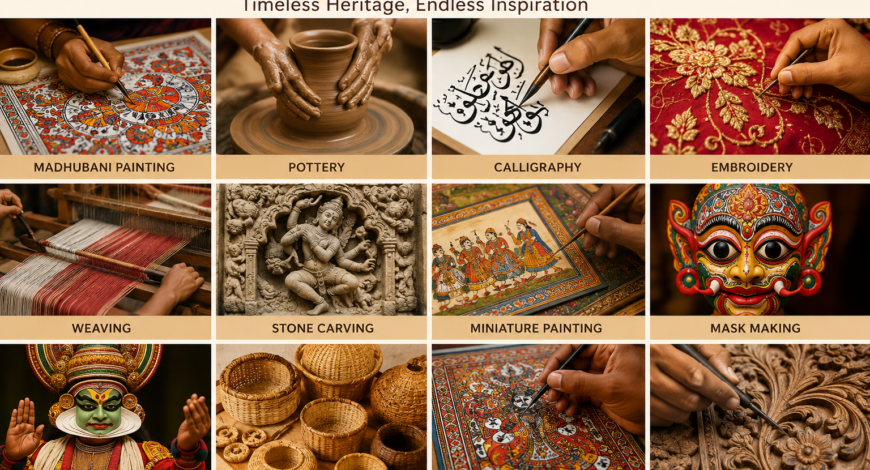
Examples include calligraphy, pottery, weaving, miniature painting, folk art, printmaking, and Indigenous artistic traditions.
Why are handmade art forms becoming popular again?
Many artists and audiences value handmade art for its authenticity, craftsmanship, emotional connection, and cultural significance.
Previous Post