Why Art Matters in Everyday Life?
In a world often driven by plans, responsibilities, and technology, art remains a powerful force that enriches our daily lives in ways we may not always recognize. From the paintings that decorate our walls to the music we listen to on our morning commute, art surrounds us and shapes our experiences. It is far more than decoration or entertainment—it is a vital part of human expression, communication, and well-being.
Art Helps Us Express Emotions
One of the most important roles of art is its ability to express emotions. Artists use colors, shapes, textures, and imagery to communicate feelings that words alone cannot always reveal. Likewise, viewers often find comfort, inspiration, or understanding through works of art that reflect their own experiences and sentiments. Whether joyful, nostalgic, hopeful, or reflective, art provides a universal language that connects people across cultures and generations.
Art Encourages Creativity and Modernization
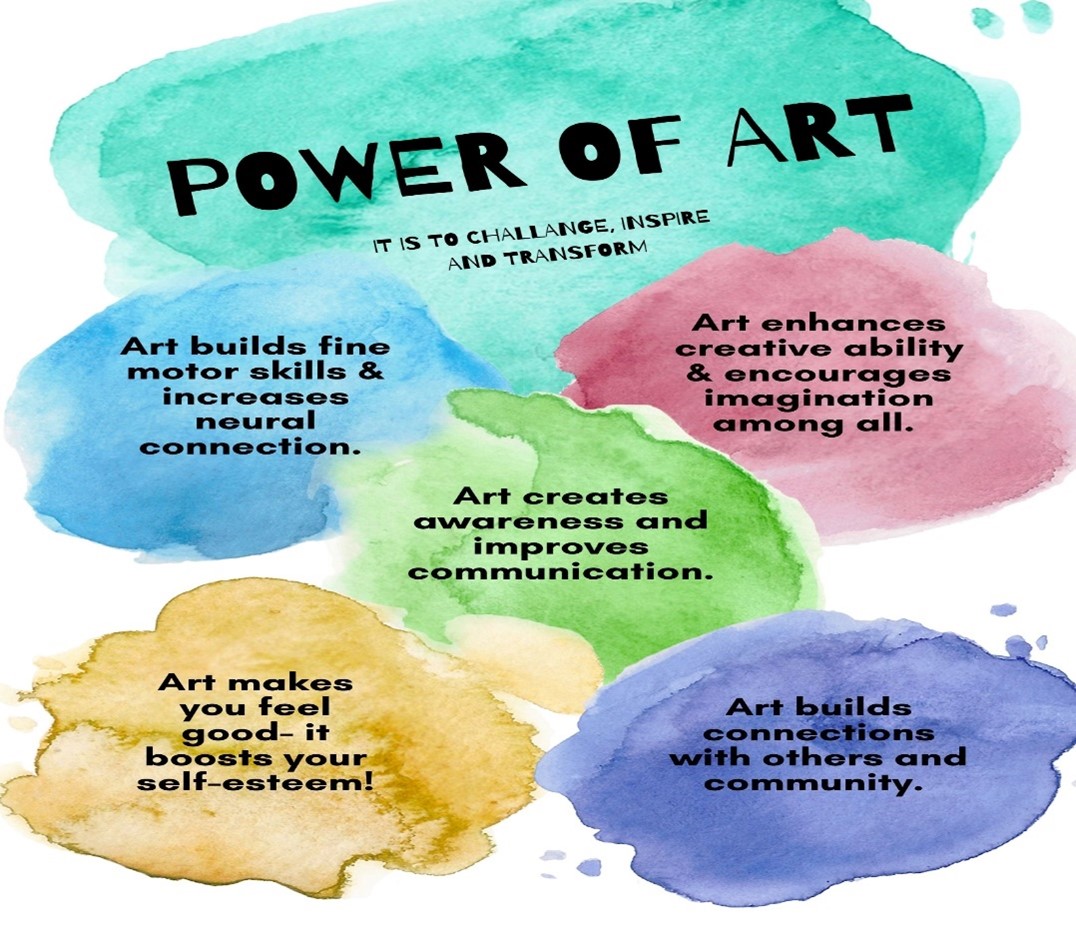
Creativity is not limited to artists. It is a skill that benefits people in all aspects of life, from problem-solving in the workplace to finding new ways to overcome personal challenges or weaknesses. Exposure to art encourages creative thinking, imagination, and curiosity. By learning and applying different artistic styles and perspectives, individuals learn to think beyond conventional boundaries and adopt open mind set to express.
Art is Healthy for Mental Well-Being
Over the years, researchers have revealed that engaging with art can reduce stress and improve mental health. Visiting galleries, creating artwork, or simply appreciating visual beauty can provide a sense of calm and mindfulness. Music, dance or composing with the use of colors may add to the mental uplift. Art tends to be a healthy outlet for self-expression and emotional release, helping individuals settle down during challenging times.
Art Depicts Culture and History
Art serves as a visual record of human history, traditions, and cultural identity. Through paintings, sculptures, textiles, and other creative forms, societies preserve stories that might otherwise be forgotten. Art allows us to understand different cultures, appreciate diverse ideas, and maintain a connection to our heritage. It connects the past and present, ensuring that important chronicles not just remain in the past but continue to inspire future generations.
Art Supports Building Communities
Wall Paintings, street art, exhibitions, festivals, and community art projects bring people together. Art creates opportunities for dialogue, collaboration, and shared experiences. It can foster a sense of belonging and encourage social connections among individuals from different backgrounds. Communities enriched by art often become more vibrant, inclusive, diverse and culturally dynamic.
Art Leads Strong Transformations
Throughout history, art inspires revolutions. Artists have used their work to address social issues, challenge assumptions, and stimulate action. Art can raise awareness about important topics, spark meaningful conversations, and encourage people to see the world from new perspectives. By engaging both the heart and the mind, art has the power to influence society and contribute to positive change.
Finding Art in Daily Routines
Art is not confined to exhibitions, museums and galleries. It can be found in architecture, fashion, photography, design, literature, culinary, and even the arrangement of everyday objects. You name it and art is everywhere. Taking time to notice and appreciate creativity in daily life can enhance our awareness of beauty and enrich our experiences. This practice helps to update our artistic sense.
Conclusion
Art matters because it reflects who we are as entities and as a society. It nurtures creativity, supports emotional well-being, preserves culture, strengthens communities, and inspires change. In our fast-paced modern world, art reminds us to pause, observe, and connect with the stories, emotions, and ideas that make us human. By embracing art in our everyday lives, we cultivate a richer, more meaningful understanding of ourselves and the world around us.
Previous Post
Tips for Emerging Artists: A Journey
Next Post